
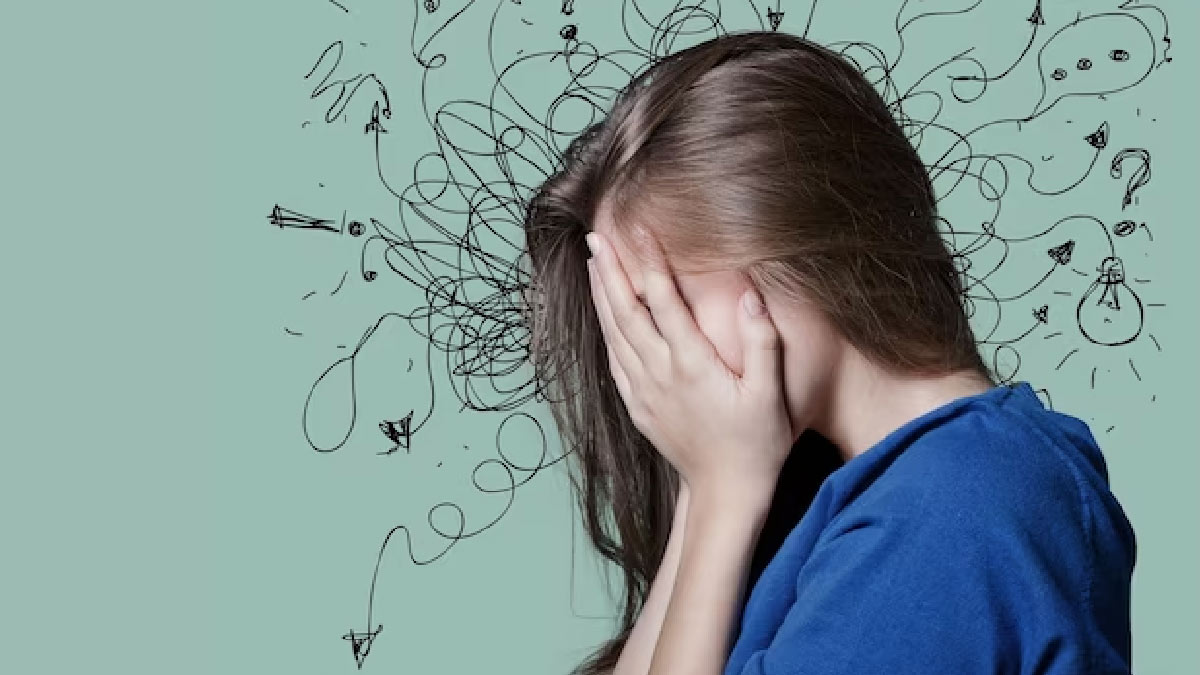
Many have trouble managing their anxiety at the workplace or at home – it’s more frequent than you imagine. However, the positive side is that there are easy and natural methods to help reduce anxiety. Relaxation, mindfulness, and different methods of thinking are only a few options for doing this. In this blog, we’ll discuss more about ways you can control your anxiety over the long term without the use of medication.
Anxiety Symptoms
Stress and anxiety are difficult to predict. After all, life is a bit unpredictable. Loss of jobs, divorce, unpredictable circumstances, as well as world events, and a myriad of other things can create strong feelings of stress and other negative feelings. The way you react to these events doesn’t mean you’re doing anything w;ong, however, it’s an aspect of human nature. Here are a few of the most commonly reported signs that you should be aware of your anxiety.
Common Signs of Anxiety
- It’s hard to handle.
Your eating habits, sleeping habits, and relationships are deteriorating. It’s difficult to concentrate or feel fatigued doing the simplest tasks. Your hobbies aren’t as enjoyable as they used the past. Unease in general is among the most frequently reported symptoms of anxiety disorders. - You avoid activities.
The idea of having to remain “on” for people around you is a burden. It could even create constant anxiety. To avoid the feeling of fear or anxiety, it is possible to not attend appointments, dinner, or even nights out with your friends. - It’s difficult to stay motivated.
A fear of anxiety often causes us to be afraid of beginning activities, particularly when they’re things we are aware will require time and effort. This causes us to avoid these activities so we don’t disappoint ourselves or others. - It is easy to fall into bad habits.
- Anxiety may lead to behaviors of coping like alcoholism, addiction to drugs, endless exercise, or jogging etc. While many things are beneficial when used in moderation, doing something excessively is typically an indication of a more complicated issue.
- If you suffer from persistent illness or fatigue.
Insomnia, poor diet, and rest can lead to a poor state of physical health, coupled with physical symptoms such as increased heart rate, fatigue, as well as nervousness, weakness, and fatigue. This, in turn, can increase the feeling of anxiety, as you’re not feeling good in your body or your mind.
If all of these sound similar to you, don’t w, worry. Approximately 5 million Canadians suffer from severe to moderate signs of anxiety. You can begin the journey toward a healthier life by contacting an experienced therapist now.
Managing Stress to Reduce Anxiety
A hectic lifestyle can create more anxiety as we go about our day-to-day routines. Between family, work, and personal obligations, it can be difficult to keep everything in order while taking care of our mental well-being.
But reducing stress in your life doesn’t need to be a major project. In most cases, it boils down to a few tiny changes that can make a huge change over time. If you could incorporate some of these methods of reducing stress into your daily routine and beyond, you could be surprised to see certain symptoms of anxiety begin to diminish in their frequency or intensity on their own.
Tips to Reduce Stress
- Take pleasure in the company of pets.
Research has shown that spending time with animals offers a wide range of psychological health benefits and can reduce stress. When you’re not able to have a pet at home, you can try a different place, such as The Regal Cat Cafe in Kensington. - Take a walk or take part in some games in a park in the city.
Being outside and taking in nature can help ease the anxiety that we experience. A walk in the evening after dinner or a stroll in the morning can be a great way to start an otherwise stressful day. - Try yoga outdoors, indoor rock climbing, or try other sports.
Our bodies feel good when they’re able to actively move. Start small if it’s something you want to. But the excitement of watching your body improve in abilities is great for you, too!
How to Manage Anxiety Naturally
If you’ve ever believed that you couldn’t handle anxiety by yourself and you’re not able to do it on your own, you’ll be glad to know that you can. Certain people deal with anxiety using CBD as well as diet, whereas others employ therapy, and others utilize these tried-and-true strategies to alleviate long-term feelings of anxiety and stress at home.
1.) Enhance your physical fitness to lessen anxiety.
In a world that promotes “the hustle,” which often comes at the cost of our well-being, addressing your body’s demands isn’t always straightforward. You should choose to eat a healthy diet, sleep enough and exercise outside, and take time to spend with your family and friends. For a lot of people, it is the most crucial element of long-term strategies for managing anxiety, which is simple to apply and keep in place.
2.) Relieve anxiety through breathing exercises
It’s cliché; however, it’s effective. Consciously slowing your breathing and employing progressive muscle relaxation techniques can reduce your body’s stress response and help calm your overactive brain. Try it by sitting in a calm area and then breathing in and out for the same number of times to 3. For relaxation, begin with your toes, and gradually ease each muscle group and all the way to your head. Feel it tense, then release when you are done. Repeating this several times throughout the day can help ease stress and anxiety.
3.) Do positive thoughts affect anxiety?
Similar to the way that the placebo effect icanbe a healing force for our bodies and our minds, thoughts can also help to heal an anxious mind.” the “power to think positively”. In the end, if your predominant thoughts are anxious and negative your feelings will be similar. If you are able attempt to approach the anxiety issue with the “removed” perspective and look at the situation more objectively and determine whether you are justified in your worries. In many cases, you’ll see that the situation isn’t so bad as your brain believes it to be.
4.) Resolving anxiety directly
If you avoid situations that cause anxiety at work, with friends, as well as at home, this usually causes anxiety since the root of the problem hasn’t been taken care of. As we age, we are confronted with uncomfortable situations constantly, which is a necessity to grow and mature.
If you’re having difficulty with anxiety, take a step to do something different from the anxiety you are experiencing. Face your fears or anxiety and then follow through to observe what happens. Begin small, and you’ll have an opportunity to succeed. Once you understand that you are able to handle anxiety by doing this, you’ll be more secure and more prepared for situations in the future.
5) The effects of meditation and mindfulness on anxiety
The practice of mindfulness and meditation has proven to be e effective anxiety reliever for long periods of time. The anxiety and worry that we experience often stem from imagining what might occur, or what happened or could take place again…so shift your focus back to the present, by being present in the moment. Mindfulness is a great tool for this, and can be an escape route for those in need of assistance with living life by taking one step at a time.
Anxiety Counselling: a Personalized approach to managing anxiety
While natural strategies are efficient in reducing anxiety, sometimes a customized and specific approach is needed to deal with particular issues. In this case, anxiety counseling can be a huge help. Engaging with a trained psychotherapist can provide a safe environment to investigate the root reasons for your anxiety, discover strategies to cope, and gain insight into your thinking and behavior.
Anxiety counselling is a tailored approach that considers the specific circumstances, such as triggers, goals, and experiences. Counsellors who are who are trained in techniques for managing anxiety will help you recognize negative patterns of thinking, confront unfounded beliefs, and teach effective techniques to reduce anxiety-related symptoms. Through evidence-based therapies such as cognitive-behavioural therapy (CBT) and mindfulness-based stress reduction (MBSR), you can develop the skills and resilience to navigate anxiety more effectively.
The support and guidance of an anxiety counselor can help you build an arsenal of strategies to control anxiety in the long run. They can give you a new perspective, provide validation, and help you learn strategies to manage your mood and develop self-care routines. With the aid of anxiety counseling, it is possible to develop an increased awareness of yourself and enhance your emotional well-being, and gain control over your life.