
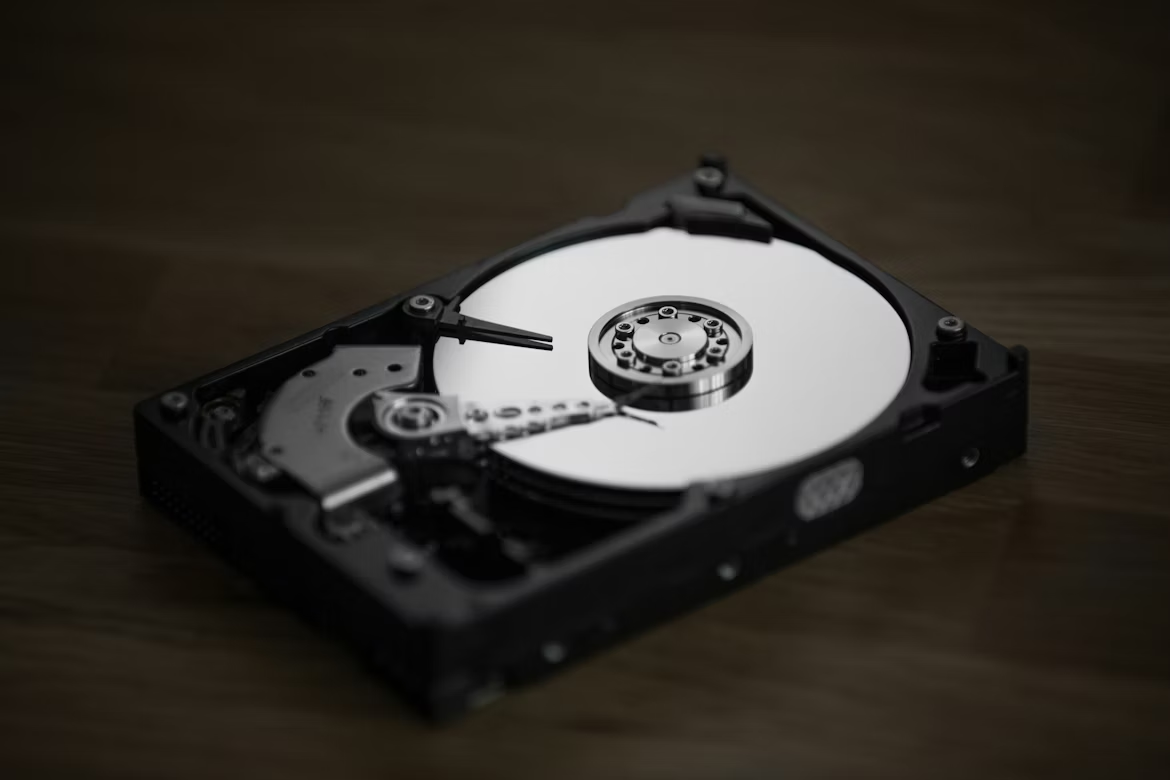
When businesses and individuals decide to dispose of old storage devices, understanding the cost structure of hard drive destruction becomes essential. Pricing can vary significantly based on several factors, and knowing what influences the final cost can help you make informed decisions while ensuring secure data disposal.
Whether disposing of a few drives or managing large-scale data destruction, recognizing these elements helps balance security needs with budget considerations.
1. Volume of Drives
The number of hard drives being destroyed is one of the major cost influencers. Service providers often offer tiered pricing, where the cost per unit decreases as volume increases. Destroying a single drive typically costs more per unit than handling large batches.
Businesses managing regular technology upgrades can benefit from bulk service agreements that reduce long-term expenses associated with hard drive destruction.
2. Method of Destruction
Different destruction methods affect pricing significantly in hard drive destruction. Physical shredding, degaussing, and crushing each come with distinct equipment and labor costs involved in hard drive destruction.
Shredding is often the most thorough and therefore may be priced higher, while degaussing is typically faster and suitable for magnetic drives only. The method you choose depends on security requirements, regulatory needs, and the type of data stored.
3. On-Site vs Off-Site Services
Location plays a role in determining final costs. On-site destruction services tend to be more expensive due to equipment transportation and setup. However, they offer immediate verification that data is destroyed, enhancing peace of mind.
Off-site services are often more affordable but require secure transport, which may introduce additional fees depending on distance and logistics.
4. Certification and Documentation
Many organizations need official proof that destruction has occurred. Certificates of destruction and compliance documentation can add to the overall cost.
However, these documents are often necessary for audits and regulatory requirements. The more detailed and personalized the documentation, the higher the associated fees.
5. Type and Condition of Drives
Not all drives are created equal. Solid-state drives, traditional hard disk drives, and enterprise-level storage devices may require different handling and equipment.
Damaged drives, encrypted drives, or specialized media may also come with additional charges due to the complexity involved in destroying them safely and effectively.
6. Transportation and Security Measures
Secure handling and transportation are critical in hard drive destruction. Costs rise when providers implement GPS tracking, sealed containers, or enhanced security protocols.
For organizations that prioritize data protection, these features offer valuable assurance but come at a higher price.
Conclusion
In conclusion, several factors influence the overall cost of hard drive destruction, including volume, method, service location, certification needs, and drive type. Understanding these elements allows both individuals and businesses to compare services more effectively and choose solutions that match their security requirements and budgets.
Investing in reliable hard drive destruction is not just a financial decision—it is an investment in data safety and compliance. While lower-cost services may seem attractive, selecting a reputable provider with secure procedures ensures your sensitive information remains protected. By weighing cost against security value, you can achieve safe data disposal without compromising peace of mind or organizational integrity.