
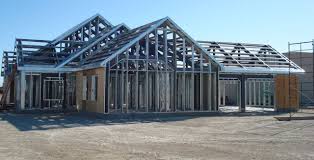
Steel structure construction isn’t dependent on the seasons. Even during the rainy seasons, it is possible to construct. In the same way, construction in the rainy season can create a lot of hassle for us, so what should be considered when building steel structures during the rainy season of rain?
Steel structure construction during the rainy season:
1. Construction deployment
To ensure the regular progress of construction throughout the rainy season, and to make sure the project is of high quality. The primary procedures of the project and procedures that are weather-sensitive must be designed and implemented in accordance with the construction rules of the rainy season, as well as the construction materials, and the various equipment and machines must be planned.
The relevant personnel should create a construction strategy for the rainy season of rain, and also provide technical assistance for the construction. Additionally, construction equipment is required to be prepared for the wet season, like the water pipe, pumps, plastic sheets and rain boots, raincoats, and so on.
2. Pre-arrangement of steel structure construction
Before the start of the rainy season of rain, it is essential to ensure the flow of information, anticipate the severity of the storm according to the forecast, and take appropriate safety precautions to enhance protection. Be sure to plan construction in accordance with your weather forecast, plan indoor work in the event of rain and wind, do an excellent job in interleaving processes, and increase the efficiency of work and speed of construction.
Construction should be stopped during extreme stormy weather to ensure the safety of workers. Be sure to protect the surface of work and the required temporary reinforced measures. High-strength bolts should not be used on days with rain, and it is recommended to avoid rainfall on friction surfaces and bolts with high strength.
3. Protection of construction during the rainy season of rain
In the construction phase, during rainy seasons requires that protection from rainwater for construction workers must be taken care of. Be particular about the electrical protection of construction workers. When it rains, with the exception of in exceptional circumstances, high-altitude activities should be stopped. Personnel in high-altitude areas should be moved to the safety zone, and the power source should be shut off. Make sure that electricity is safe.
Make sure you do a great job with on-site drainage. Use the natural terrain for proper drainage, then dig drainage ditches according to the slope that is prescribed to ensure that drainage is unimpeded.
Safety of the raw material, final products and semi-finished goods. Perform regular inspections of your material storage area and then drain the surrounding area to ensure its quality and security. Materials that aren’t ready to be put outside must be secured by the use of a water pump, sheets made from plastic and linoleum at the time of inspection.
4. Steel structure hoisting
To hoist the steel structure, the facade net needs to be fixed to the outside of the building. Additionally, guard railings are required at the entry point of the stairs inside the building and on the adjacent walls of the structure. Clean the soil before hoisting the steel structure following rain.
In order for the components to be lifted, the water on the surface of the part must be removed first, particularly the friction surface of the component, and the surface layer must be dry. The garbage on the site should be disposed of promptly. If it’s not cleaned up by the time it is due, the garbage needs to be covered in order to prevent it from being swept out by rainfall. Hazardous and toxic garbage should be disposed of in the designated garbage room at the right time.
If the wind force is higher than 5 mph or rain, dense fog, stop lifting procedures that support hoisting and installation at high altitudes, including welding, placing steel plates that have been pressed and wearing high-strength bolts to fix structures, etc. Electric equipment and boxes must be inspected for the possibility of reconstruction following rain. The doors of every electric box should be shut and should not be opened.
Steel Structure Construction in Rainy Season: Key Safety and Quality Considerations
One of the benefits of steel structures is the fact that they are not affected by seasonal fluctuations compared to concrete construction. Because most steel parts are made in factories before being put together, on-site construction can go on in rainy seasons. However, rain poses particular challenges that could influence the safety of welding, the quality of welding coating performance, and the speed of progress.
In order to ensure secure and safe operation, certain precautions need to be taken during the construction of steel structures during the rainy season.
1. Challenges of Rainy Season Construction
Although steel structures can be constructed year-round but the rainy season may cause problems like:
- Surfaces that slip and dangerous working conditions on roofs, scaffolds and beams.
- The increase in humidity can affect the quality of welding and accelerate corrosion.
- The delay in the transportation of prefabricated steel parts.
- Materials that are damaged, such as insulation, cladding, or paint coatings.
- Problems with foundation and anchor bolt installation due to the accumulation of water.
The early recognition of these challenges will allow for better site planning and the risk.
2. Pre-Construction Preparation
Before tackling work in an ephemeral season, contractors must follow the steps below:
a. Weather Forecast and Schedule Planning
Monitor the local weather conditions continuously. Make adjustments to the construction schedule in line with weather conditions, prioritising welding and lifting on dry days, and set aside rainy days for outdoor or protected work like equipment assembly or inspection.
b. Site Drainage and Protection
Set up temporary drains and pumps as well as a water barrier to avoid flooding in assembly and storage areas. Place steel plates or gravel on the ground that is muddy to ensure the safety of cranes and vehicles.
C. Material Storage
Keep all steel members, bolts and panels in waterproof covers or in protected locations. Smaller components like gaskets, bolts, and welding rods must be kept clean to prevent corrosion and a decrease in performance.
3. Safety Precautions During Construction
A. Anti-Slip Measures
The rainwater can make steel surfaces slippery. Workers should wear non-slip safety footwear, and temporary walkways should be placed on roofs or beams. Work should be suspended in the event of storms that are heavy or with strong winds.
b. Electrical Safety
Rain increases the chance of an electric shock. Electricity cables, as well as welding tools, should be protected from water and raised off the ground. Utilise ground fault circuit interrupters (GFCIs) and test the insulation regularly.
C. Lifting Operations
Equipment for hoisting and cranes should work on a level, stable and non-muddy ground. If there are strong winds or storms, any lifting should cease immediately. The rope, hook, and load must be inspected for corrosion and moisture every day.
4. Welding and Bolting in Rainy Conditions
A. Precautions for welding
Welding shouldn’t be done in open weather. If welding is not an option, then make sure you have an emergency shelter or tents for welding.
Moisture can cause cracking, porosity or hydrogen embrittlement within welds, which can seriously compromise structural security.
Before welding, the surfaces need to be dry, and electrodes should be kept in a moist, heated box.
B. Bolting Operations
For bolts with high strength, make sure that the surfaces of contact are free of corrosion and water prior to tightening. Moisture can reduce friction, which could cause the bolts to become looser later. Bolts must be stored within a sealed container until needed.
5. Painting and Anti-Corrosion Measures
Applying anti-corrosion coatings and paint in wet conditions requires caution. The relative humidity must not exceed 85% and the temperature of the steel’s surface the steel must be at least 3 °C more than the dewpoint to avoid condensation.
If the requirements are not satisfied, painting should be delayed to prevent peeling, bubbling, or poor adhesion.
In areas with prolonged rainy seasons, galvanising with hot dip is recommended over painting because it offers more long-term protection against water.
6. Foundation and Anchor Bolt Work
Rain may cause waterlogging or the soil to soften around foundations. When pouring concrete before putting in anchor bolts:
- Verify that your foundation pit is dry.
- Use drainage or concrete that is waterproof to prevent subgrade erosion. Layers to stop erosion of the subgrade.
- Secure anchor bolts by using caps or sleeves made of plastic to keep them free from dirt and rust.
7. Quality Control and Inspection
Regular inspections are essential when construction is in the rainy season. Supervisors must:
- Examine all joints that are bolted, and also coatings after rain.
- Check for signs of damage to the paint, blistering of the paint or water accumulation.
- Check that all damp components are dried out and re-coated prior to resuming assembly.
Recording daily and detailed information about temperatures, weather conditions, and humidity, as well as the results of inspections, ensures accountability and aids in settling disagreements later.
8. Post-Rain Maintenance
After a rainstorm, all work areas must be examined before starting construction again:
- Clean up standing water from platform tops as well as beam tops.
- Dry the wet steel surfaces using air blowers or cloths.
- Inspect the stored material for signs of corrosion and moisture.
- Apply anti-rust coatings, if needed.
With the same routine of maintenance by following a consistent maintenance schedule, steel components stay in good shape all through the duration of construction.
9. Advantages of Steel Structure in the Rainy Season
Despite the difficulties that steel structures face, they provide significant benefits in rainy seasons:
- Factory prefabrication reduces the need for on-site work.
- Quick assembly helps reduce the risk of being exposed to weather conditions.
- Bolted connections can be made under mild rain with the right protection.
- Concrete is not as curing-intensive. The installation process can continue when the weather is clear.
This makes steel construction a flexible and efficient option for areas with tropical or monsoon-like climates.
Conclusion
Although construction of steel structures can be carried out during rainy seasons, paying attention to safety in welding, bolting and corrosion protection is essential.
If you plan properly and waterproof it is possible to ensure the efficiency of construction and guarantee the durability of the structure over time, even in harsh weather conditions.